
Growing an email list is one of those marketing activities that sounds simple until you actually sit down and try to do it. You create a newsletter, add a signup form to your website and wait for subscribers to start arriving.
And then you wait a little longer.
The good news is that you don't need a huge advertising budget to build an email list. In fact, some of the most valuable subscribers can come from people who discover your business organically, connect with your expertise and genuinely want to hear more from you.
The secret isn't finding more random email addresses. It's giving the right people a compelling reason to invite you into their inbox.
Why Your Email List Is Worth Growing
Social media is excellent for introducing your business to new people, but you're always relying on the rules, algorithms and decisions of the platform you're using.
Email marketing creates a more direct communication channel with people who have chosen to subscribe. You can share useful information, answer questions, introduce services and maintain relationships without depending on whether a social media algorithm decides your latest post deserves attention.
That doesn't mean every subscriber will open your emails or purchase from you. Email providers still control delivery and subscribers can unsubscribe whenever they choose. However, having a permission-based email community gives you a valuable way to stay connected with interested people.
1. Give People a Genuine Reason to Subscribe
One of the biggest mistakes I see is a website signup form that simply says, "Subscribe to our newsletter."
Why would someone do that?
Think about what your ideal customer wants help with. What questions do they regularly ask? What problems could you help them understand or solve?
For example, a business coach might offer a weekly practical business tip. A bookkeeper could share simple cash flow guidance. A marketing consultant might provide useful advice about websites, email marketing and customer journeys.
Instead of asking people to join another mailing list, explain the value they'll receive.
A stronger invitation might be:
"Get practical marketing tips, useful resources and simple ideas to help you grow your business, delivered straight to your inbox."
The difference is that you're telling people what's in it for them.
2. Create a Useful Free Resource
A lead magnet is a free resource people can request from your business. It might be a checklist, guide, worksheet, template or short tutorial.
The best lead magnets solve one specific problem. They don't need to be enormous ebooks containing everything you know.
Think about what your audience would find useful enough to save, print or refer to again.
You could create a checklist called 10 Things to Check Before Sending Your Next Newsletter, a simple business planning worksheet or a guide explaining common industry mistakes.
Make sure the signup process clearly explains whether people are also agreeing to receive ongoing marketing emails. Requesting a free resource doesn't automatically provide permission for every future marketing message.
3. Make Your Website Work Harder
If someone visits your website, reads your content and finds it helpful, that's a perfect opportunity to invite them to stay connected.
Your signup form shouldn't be hidden in an obscure corner of your website. Consider placing relevant subscription invitations on your homepage, blog articles and appropriate service pages.
For example, at the end of an article about email marketing, you could invite readers to receive your free email marketing checklist.
The important word here is relevant. Someone reading about email automation is more likely to appreciate an email marketing resource than an unrelated general business download.
Want to Learn How to Set Up Your Email List Properly?
Creating a resource is only one part of the process. You also need a signup form, an organised audience and a way to communicate with the people who subscribe.
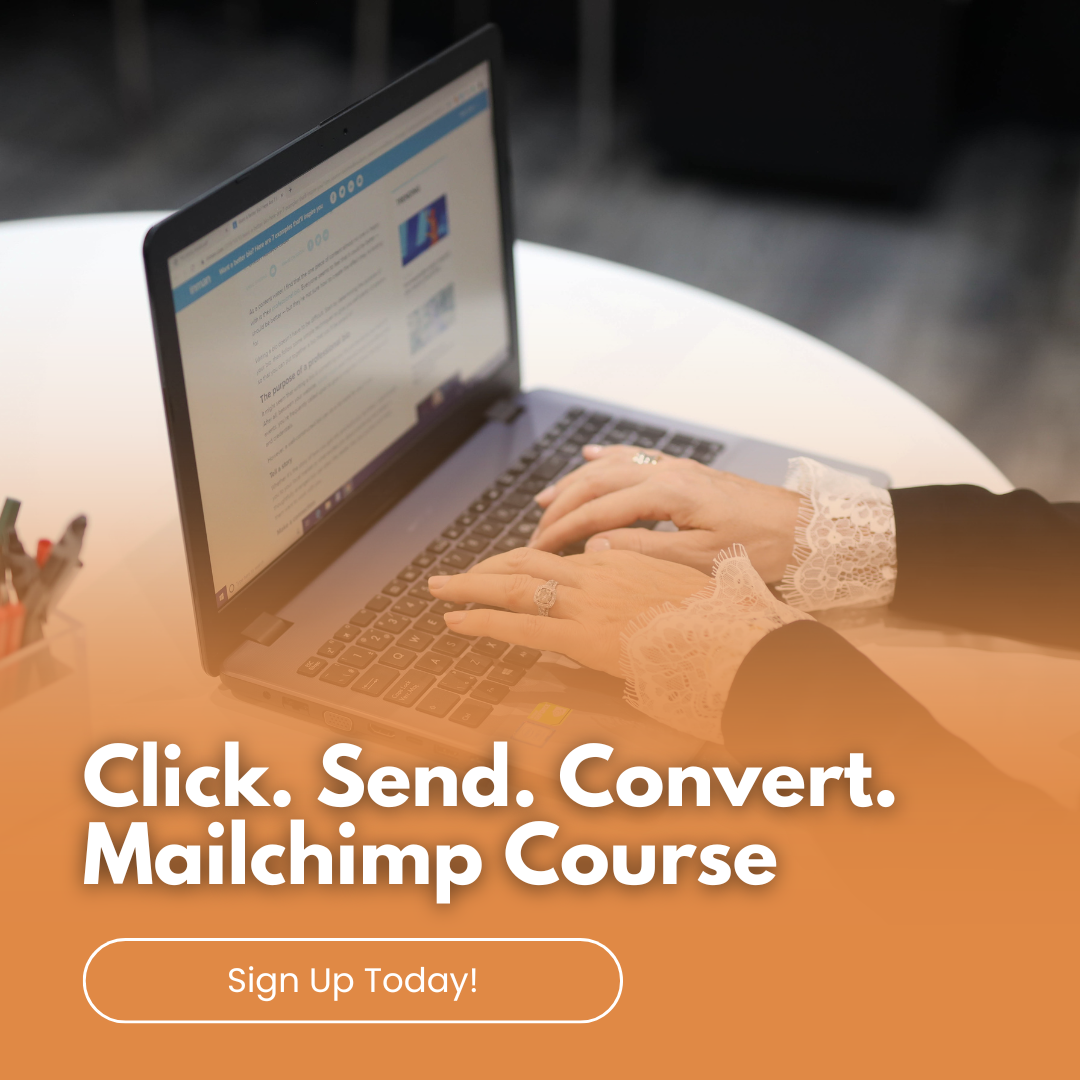
Inside Click. Send. Convert. Mailchimp Mastery, I teach you how to set up audience fields, understand subscribers, create signup forms, build landing pages and prepare professional email campaigns.
It's practical, beginner-friendly training designed to help you manage your own email marketing confidently.
Explore Click. Send. Convert. Mailchimp Mastery.
4. Use Your Blog Articles to Attract Subscribers
Blogging can be an excellent way to attract people who are searching for answers online.
When you write genuinely helpful articles about topics relevant to your audience, those pages can be discovered through search engines and may be referenced by AI-powered search experiences.
For example, someone searching for "How do I create my first email newsletter?" may find a detailed tutorial on your website. If the article answers their question well, they'll have a reason to explore more of your content.
Include a relevant signup invitation within or at the end of the article. Rather than making every article a sales pitch, let the quality of your information build trust.
5. Use Pinterest to Drive Traffic to Your Resources
Pinterest works particularly well for visual, practical content such as tutorials, checklists, guides and planning resources.
Create pins that answer questions your audience may be exploring. A pin titled 5 Email Marketing Mistakes to Avoid could link to a helpful blog article that includes an invitation to download a related checklist.
The Pinterest pin attracts attention, the blog provides useful information and the signup form offers an opportunity to stay connected.
You can create several different pins for the same article, each highlighting a different benefit or question. Focus on genuine relevance rather than repeating the same pin with only minor changes.
6. Invite Subscribers Through Your Existing Marketing
You don't need an entirely new marketing system to start growing your list.
Think about the places where you're already communicating with potential customers. Your LinkedIn profile, email signature, podcast appearances, presentations, networking conversations and relevant social media content can all create opportunities to introduce your free resources.
A simple sentence in your email signature could say:
"Enjoy practical business and marketing tips? Join my email community here."
You can also mention your resource when it genuinely helps answer a question in an online discussion. The goal isn't to drop signup links everywhere. It's to connect helpful resources with people who need them.
7. Make Your Welcome Email Worth Receiving
When someone subscribes, what happens next?
Do they receive a useful introduction? Do you deliver the resource they requested? Do they understand what future communication will look like?
A thoughtful welcome email helps establish expectations and begins the relationship positively.
Thank the subscriber, introduce your business and explain what they can look forward to receiving. If they've requested a resource, make it easy for them to access it.
You can also invite them to reply with a question or tell you which topics they're interested in.
This is where email marketing becomes more than collecting addresses. You're creating a reason for subscribers to keep opening and engaging with your messages.
8. Focus on the Quality of Your Subscribers
It's tempting to judge email list growth purely by numbers, but a large list isn't automatically a valuable list.
Would you rather have 1,000 subscribers who barely recognise your business or 200 people who genuinely want your information and are interested in what you offer?
There's no universal answer based on list size alone, but relevance, permission and engagement matter far more than collecting addresses for the sake of appearances.
Avoid buying email lists or importing contacts who haven't given appropriate permission. In Australia, commercial marketing emails are subject to consent and other requirements under the Spam Act, and Mailchimp has its own permission standards.
Your goal should be to build a community, not simply fill a database.
Start Small and Grow Consistently
If you're starting from scratch, choose one useful resource, create one clear signup opportunity and promote it consistently through your existing channels.
You don't need five lead magnets, ten automations and a complicated email funnel to begin.
You need to understand who you're trying to reach, why they would subscribe and what valuable information you'll send after they join.
Once that foundation is working, you can refine your website, create more content and introduce additional ways for interested people to discover your email community.
Ready to Build an Email List You Know How to Manage?
Getting subscribers is exciting, but knowing what to do with them is where email marketing becomes useful for your business.
My Click. Send. Convert. Mailchimp Mastery online course walks you through 11 practical modules covering contacts, subscribers, tags, groups, signup forms, landing pages, email campaigns and welcome automations.
You'll also receive ready-to-use email templates, practical checklists, AI writing prompts and planning resources.
Learn Mailchimp without the overwhelm and start building your email marketing foundations with confidence.
Inside Click. Send. Convert. Mailchimp Mastery, I walk you through these foundations step by step, including practical exercises so you can build confidence using your own account.